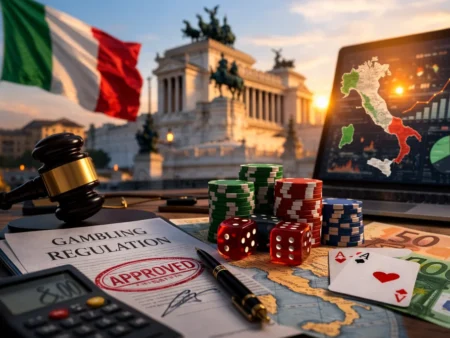
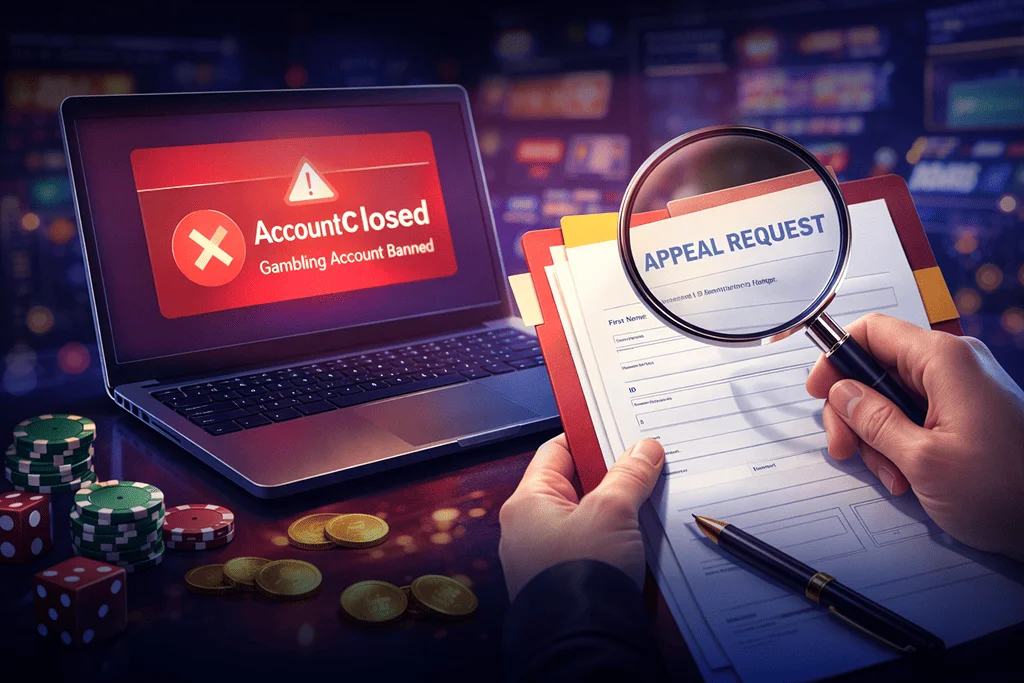
Have you ever logged into your favorite online casino or poker platform, ready for some action, and… boom! Account banned. Your heart skips a beat, your mind races, and your poker chips are just sitting there, trapped. Don’t panic. It happens more often than you think. Accounts can be blocked for many reasons — from suspicious activity to a tiny misstep in following rules.
The key is understanding why the ban happened and knowing the right steps to appeal, gather evidence, and get your account back without losing your reputation or sanity.
Why Gambling Accounts Get Banned
Sometimes, bans are just a precaution. Sometimes, it’s a real problem. Let’s look at why operators hit the pause button on your account.
Common Reasons for Account Bans
In the poker world, bans often happen because the system thinks something fishy is going on. Here’s the scoop:
- Multi-accounts: Logging in with several accounts on the same site is a big no-no.
- Bonus abuse: Trying to grab every promotion like a kid in a candy store? Sites notice.
- Suspicion of fraud: Strange betting patterns or sudden big wins can trigger alarms.
- VPNs or software usage: Using tools to hide location or cheat? That’s instant trouble.
- AML/KYC violations: Not verifying identity properly can also freeze your account.
Whether you were just playing a casual poker game, at a high-stakes poker table, or counting your poker chips, these rules are serious. Operators watch poker hands closely, and even small irregularities can set off alerts. For players who love following high stakes poker news, it’s a reminder: the house has eyes everywhere.
Regulatory and Compliance Triggers
Sometimes, it’s not even the site — it’s the law. Regulators like UKGC (UK Gambling Commission) or MGA (Malta Gaming Authority) enforce rules to prevent fraud and money laundering.
If your account is flagged for AML/KYC issues, or unusual deposits and withdrawals, your profile might be frozen while the site checks compliance. Even if you didn’t cheat, regulators’ requirements can impact you. That’s why poker tournaments and their oversight matter — the rules are strict, and poker tournaments news often reports cases where players were suspended because of these regulatory triggers.
Understanding the Ban — What It Really Means
Before acting, you must understand what type of ban you’re dealing with. Not all bans are permanent doom.
Temporary vs Permanent Bans
- Temporary suspension: Usually a cooling-off period or a check for suspicious activity. Your account can return in days or weeks.
- Profile freeze: Some bans lock you out completely but can be appealed if you provide proof.
- Permanent ban: Lifetime exclusion, often for severe violations. Not impossible to appeal, but much harder.
If you’re looking at best online poker sites, knowing the ban type helps you figure out your next step without panic.
Operator Rights and Terms of Service
Every operator has a rulebook. They state your responsibilities in the Terms of Service, and yes, they can act if they believe you broke them. This is why reading about best online poker platforms’ policies is crucial — even a small misunderstanding can trigger a ban.
First Steps After Your Account Is Banned
Okay, first things first — don’t panic. I know it’s tempting to slam your keyboard, shout at the screen, or start imagining the poker chips you’ve lost floating in cyberspace forever. Take a deep breath. This is just the beginning, not the end. Treat it like a poker tournament: calm, strategic, and one move at a time
Gather All Relevant Documentation
You need everything that proves your innocence:
- Identity documents
- Bank or e-wallet transaction history
- Screenshots or copies of chats with customer support
The more proof you have, the smoother the appeal.
Review Terms and Conditions Carefully
Next step: go back to the poker websites rules and read them like your favorite book (or maybe a thriller, because sometimes it feels that dramatic). Understand exactly what the operator claims you violated. Sometimes it’s obvious — like using multiple accounts or bonus abuse — but sometimes it’s hidden in fine print.
Some poker UK online platforms have rules that aren’t obvious at first glance. Maybe it’s a clause about certain payment methods, or a rule about how many times you can cancel a bet. These tiny details can be the reason for the ban, even if it feels unfair. Knowing these inside and out doesn’t just help you write a better appeal — it also helps prevent future headaches. Think of it like studying a poker tournament playbook: missing one small rule could cost you your chips… or your account.
How to Appeal a Gambling Ban
Appealing a ban isn’t just sending an email and hoping for magic. Think of it like playing a tricky hand in poker — you need strategy, patience, and a clear plan. The key is to stay polite, factual, and strategic. Anger or panic won’t help; calm professionalism wins the day.
Contacting Customer Support Effectively
Start with the basics: the good old customer support. This is usually the fastest way to get some clarity. When you write, keep your tone friendly, professional, and very clear — imagine you’re explaining a complicated poker hand to a new friend.
Here’s a checklist of what to include:
- Explain what happened, step by step: Don’t assume they know. Detail your actions like a replay of your game session.
- Include transaction IDs or dates: Think of this as your proof that you weren’t doing anything shady with your poker chips.
- Ask politely for a review: A little courtesy goes a long way — “Could you please review my case?” works better than “Unban me now!”
Pro tip: check poker updates today or community forums. Many players share their stories of successfully appealing bans, and reading them gives you insight into what works. Sometimes a well-structured, polite email can completely reverse a ban without any further drama.
Escalating to Compliance or Security Teams
If customer support isn’t giving answers, it’s time to move up the ladder. Most serious platforms have specialized departments for tricky situations:
- AML/KYC departments: These teams check identity and anti-money laundering compliance.
- Fraud or security teams: If your account was flagged for suspicious patterns, they’re the ones who investigate.
- Compliance officers: The final checkers who ensure all rules were followed.
Document every interaction — take screenshots, copy emails, note the dates and names of people you spoke to. This is your “paper trail,” like keeping a log of poker hands in a high-stakes tournament. Every little detail helps if you need to escalate further.
Providing Evidence and Counterarguments
Now comes the fun (and most important) part: proving you didn’t break any rules. Your argument should be precise, clear, and backed by facts. Here’s how to make it strong:
- Gather screenshots of your gameplay, chat messages, and transactions.
- Collect bank statements showing deposits and withdrawals.
- Organize emails or messages with support to show your attempts to resolve issues politely.
- Reference examples from poker world news, latest poker news, or even celebrity poker news if relevant — sometimes high-profile cases create precedents that can help your appeal.
When you present your case like this, operators can see you’re serious, honest, and well-prepared. Think of it as laying out your cards on the table: transparent, clean, and impossible to ignore.
Extra Tip!
Appeals can take time. Don’t flood support with repeated angry messages — it won’t help. Instead, follow up politely after a few days if you haven’t received a response. Keep a record of every follow-up. Persistence plus professionalism is often the combination that wins the game.
Escalation Options — Independent Dispute Resolution
When operators ignore your requests, there are independent channels.
Using Alternative Dispute Resolution Services
Some countries offer ADRs or independent arbitration for gambling disputes. They review cases when operators refuse to cooperate. If you want poker sites to reconsider, this is a legal yet approachable method.
Regulatory Bodies and Ombudsman Complaints
If ADR isn’t enough, regulatory complaints help:
- UKGC (UK)
- MGA (Malta)
- GRA (Gibraltar)
Many players have restored access by filing a complaint. Platforms like best online poker sites and best poker apps encourage fair play, so regulators take your case seriously.
Legal Options and When to Seek a Lawyer
Sometimes you need professional help.
Understanding Your Legal Rights
You are entitled to know why you were banned, request evidence, and challenge a decision legally. For players in poker UK, even small errors by operators can be disputed.
Hiring a Specialist Lawyer in Gaming Law
A gaming law lawyer can:
- Review your case
- Contact operators formally
- Navigate disputes with regulators
This is particularly useful for players using best poker sites or engaging in online poker professionally.
Preventing Future Issues
Once your account is back, don’t repeat mistakes.
Best Practices for Account Safety
- Stick to fair play rules
- Complete KYC/AML verification accurately
- Use secure payment methods
- Avoid VPNs unless allowed
Focus on online poker real money, real money poker, and sometimes even free online poker no download for practice without risk.
Keeping Your Account in Good Standing
- Update personal data promptly
- Communicate honestly with support
- Play consistently and transparently
This strengthens operator trust and reduces the chance of another ban.
Case Studies: Bans and Successful Appeals
Learning from others is one of the smartest moves you can make — in poker and in life. Seeing how real players faced a ban and came out on top gives you clues, strategies, and a little hope that you can get your account back.
Real Examples of Reversed Bans
There are plenty of stories on online poker news, global poker, and poker event news platforms where players successfully appealed their bans. Often, it wasn’t about luck — it was about preparation and patience.
For example, one player had their poker UK online account frozen because of unusual deposit patterns. They collected ID documents, screenshots of their poker hands, and bank statements showing all transactions. They wrote a polite, detailed appeal to the compliance team and waited calmly. Within two weeks, their account was reinstated. The lesson? Clear evidence and a calm approach go a long way.
Another case involved a high-stakes player whose account was banned after a big win. They used references from latest poker news showing similar cases and included a step-by-step timeline of their gameplay. Operators reviewed the evidence, confirmed no rules were broken, and lifted the ban. Even celebrity poker news sometimes covers such cases, proving that even pros can face bans — and successfully fight them.
Lessons Learned from These Cases
So, what can we take away from these examples?
- Documentation is everything: Screenshots, emails, bank statements, chat logs — all of it helps. Think of it as stacking your poker chips carefully before a big move.
- Politeness + persistence pays off: Angry emails or spam messages rarely work. Calm, clear, and repeated follow-ups win more often.
- Understanding the operator’s policies prevents future bans: If you know the rules inside and out, you can avoid mistakes that trigger alerts.
Keep an eye on poker results, poker news today, and poker industry news. These sources help you spot trends, understand common mistakes, and even see how operators are handling appeals. Learning from others’ experiences is like watching replays of big poker tournaments — you see what works, what doesn’t, and how to adjust your own strategy.
FAQ: Clearing Your Name After a Gambling Ban
Can you get unbanned from an online casino?
Yes, often. Success depends on the ban type, evidence, and appeal quality.
What documentation do casinos require to overturn a ban?
IDs, payment proof, chat transcripts, transaction history.
How long does an appeal take?
It can vary — from a few days to several weeks.
What regulatory bodies can help?
UKGC, MGA, GRA, or local gambling commissions.
Is legal action worth pursuing?
For serious bans or high-stakes players, yes. A lawyer familiar with best poker sites and online poker law can make a big difference.