Same-game parlays (SGPs) have become one of the fastest-growing trends in modern online betting. Sportsbooks are actively promoting them everywhere — inside apps, during live matches, even on highlight screens — making them feel exciting, fast, and almost like a game inside the game.
Instead of placing a single wager, players combine multiple outcomes from one match into a single ticket. For example: a player might bet on a team to win, a striker to score, and the total number of corners — all in one bet. The result looks attractive because the potential payout becomes much larger compared to traditional betting odds.
But behind the flashy experience, there is an ongoing debate. Are same-game parlays a smart innovation that gives more control and creativity? Or are they just a well-designed long-term trap where math always wins against the player?
This topic sits right in the center of modern online betting culture. Some bettors love the customization and excitement. Others argue that the structure quietly increases risk and house advantage.
To understand the truth, it is important to break down how SGPs work, why they are so popular, what math is behind them, and how players can approach them with a realistic mindset instead of pure emotion.
Understanding Same-Game Parlays
Same-game parlays are built on combining multiple outcomes from a single sporting event into one combined wager. This structure changes both the experience and the risk profile of betting.
What Are SGPs and How Do They Work?
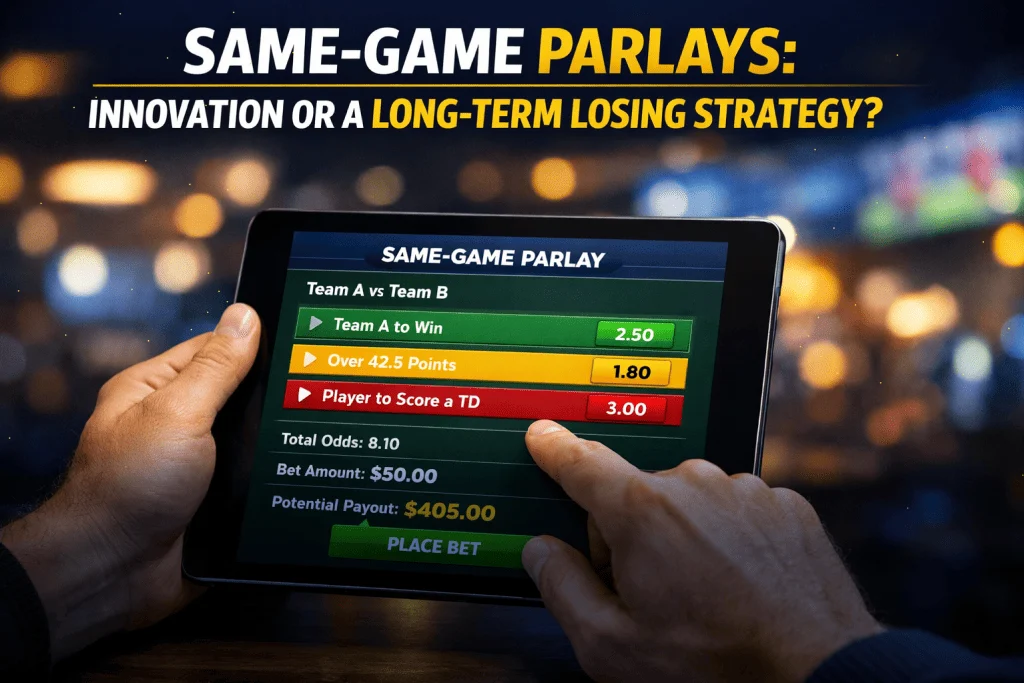
Same-game parlays allow players to combine different markets from one match into a single bet slip. For example, in a football match, a bettor can choose a team win, a player goal, and total goals over a line.
Each selection has its own price, but when combined, the betting odds are multiplied into one final number. This creates the illusion of a big potential win from a small stake.
Behind the scenes, the online sportsbook does not simply multiply probabilities. Instead, it adjusts them based on correlation between outcomes. If one event affects another (for example, a team scoring more goals increases corner kicks), the pricing model becomes more complex.
This is where SGPs become different from simple bets. The sportsbook carefully calculates how likely all outcomes are together, not just separately. That adjustment is one of the reasons why same-game parlays often feel exciting but are harder to beat consistently.
Key Differences from Traditional Parlays
Traditional parlays combine unrelated games or events. Same-game parlays, however, link outcomes that happen in the same match, which creates dependencies between results.
For example, in standard parlays, football matches from different leagues are independent. But in SGPs, everything is connected. A goal can change the pace of the match, which affects corners, shots, and even cards.
This connection changes how sports betting probability is calculated. The usual idea of independent outcomes no longer works the same way.
In terms of football odds, this means pricing becomes more dynamic and less predictable for casual bettors. While traditional parlays rely on simple multiplication, SGPs require deeper modeling and assumptions about how events influence each other.
As a result, players often underestimate how complex the structure really is. It looks simple on the surface but behaves very differently under mathematical pressure.
Why SGPs Are Gaining Popularity
Same-game parlays are not popular by accident. They are designed to be engaging, fast, and visually rewarding for modern users who prefer interactive betting experiences.
Marketing Push and Player Engagement
Sportsbooks heavily promote SGPs through apps and platforms. Everything is designed to make betting feel easy and entertaining.
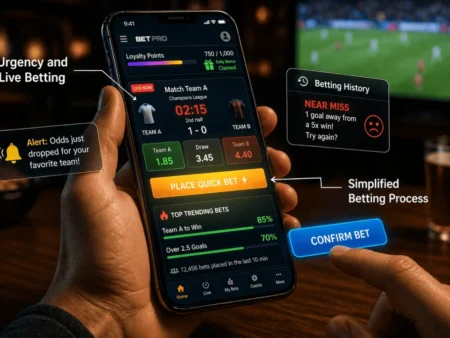
Many live betting interfaces now include pre-built combinations, allowing users to place complex bets with one tap. This removes friction and increases engagement during matches.
Some of the best betting sites even suggest automatic parlay combinations based on match statistics. This creates a feeling that the platform is helping the user make smart decisions, even though the final risk still belongs to the bettor.
The visual design also matters. Big potential payouts are highlighted in bright numbers, creating strong emotional reactions. This combination of speed, simplicity, and excitement makes SGPs extremely attractive.
The Appeal of High Payouts and Customization
One of the strongest reasons players enjoy SGPs is control. Instead of placing a single prediction, they can build their own story for the match.
This creates emotional involvement. A bettor is not just watching a game — they are “living inside” their bet.
The potential payout is also a major attraction. Even small stakes can turn into large returns if all selections hit. This makes the format feel powerful and rewarding.
Many users rely on simple betting tips or personal intuition when building combinations. The feeling is less about pure probability and more about storytelling: “If this happens, then that will happen.”
However, this emotional structure is also what makes SGPs risky over time.
The Math Behind Same-Game Parlays
The real story of SGPs is not only emotional or visual — it is mathematical. And math often behaves differently from expectations.
Correlated Outcomes and House Edge
In same-game parlays, outcomes are often correlated. This means one event affects another. For example, if a team is winning, the number of defensive actions, fouls, or counters might change.
Sportsbooks adjust betting odds to reflect these connections. This is where betting lines become more conservative for the player. The more correlation exists, the more carefully the price is adjusted.
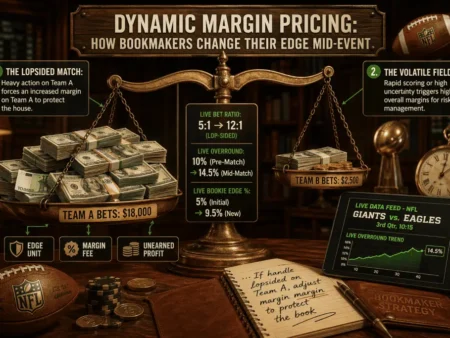
In practice, this often increases the house edge. Even if each individual selection looks fair, the combined structure usually includes hidden adjustments that favor the bookmaker.
This is why SGPs feel exciting but are difficult to consistently profit from. The math is not just about probability — it is about interaction between probabilities.
Expected Value and Long-Term Profitability
Expected value is a simple idea: over time, does a bet make money or lose money?
For most same-game parlays, the expected value tends to be negative. Even when the payout looks large, the underlying structure often includes built-in disadvantages.
This is important in sports betting, especially for users who think in long-term terms. A single win can feel exciting, but repeated play usually reflects the true math.
In online betting, this becomes even more visible because volume is high and decisions are made quickly. The faster players place bets, the more likely they are to rely on emotion instead of calculation.
Even with strong betting tips, SGPs remain challenging because correlation is difficult to price accurately from a player’s perspective.
Strategic Considerations for Bettors
Same-game parlays are not always “bad,” but they require awareness and discipline.
When SGPs Might Make Sense
There are situations where SGPs can be reasonable. For example, when using promotions like free bets, the risk is lower because real money is not fully exposed.
They can also be used for entertainment. Some players enjoy building scenarios just for fun, not profit. In that case, SGPs act more like a game experience than a financial strategy.
Useful tips include limiting stake size, avoiding over-complicated combinations, and focusing on matches that are well understood. Simpler structures often reduce unnecessary risk.
Common Mistakes and How to Avoid Them
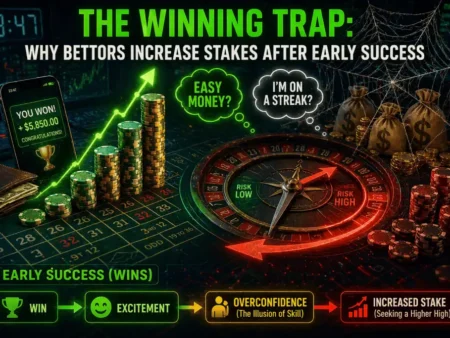
One of the biggest mistakes is chasing high payouts without understanding probability. Large numbers feel attractive, but they often hide low success chances.
Another issue is ignoring correlation. Many bettors assume each event is independent when it is not.
Emotional betting is also common. When watching live games, decisions can change quickly based on momentum rather than logic.
Strong betting tips always include discipline: pre-planned bets, fixed budgets, and realistic expectations. Even when betting odds look appealing, the structure should always be analyzed calmly.
Industry Perspective and Market Trends
Same-game parlays are not just a player trend — they are also a business strategy.
How Bookmakers Profit from SGPs
From the operator side, SGPs are extremely profitable. According to sports betting news, these products generate higher engagement and more bets per match compared to traditional wagers.
Modern betting sites design SGPs to keep users active longer. The more time spent building combinations, the more likely a bet will be placed.
The key advantage for bookmakers is margin. Even small adjustments in correlated pricing can increase long-term profit significantly.
Regulatory Scrutiny and Responsible Gaming
As SGPs grow, regulators are paying more attention. Reports in betting regulation news highlight concerns about transparency and player understanding.
Some markets require clearer explanations of risk and probability. Responsible gaming tools are also being adapted to help users limit exposure to high-risk formats.
The main concern is that fast, visual betting systems may encourage impulsive behavior. Regulation is slowly adapting, but innovation often moves faster than rules.
Future Outlook for Same-Game Betting
The future of SGPs is closely connected to technology and personalization.
Innovation: AI, Personalization and Dynamic Odds
Artificial intelligence is already shaping online sportsbook systems. Advanced models can analyze real-time data and adjust combinations dynamically.
Future sports betting news updates suggest that personalized SGP suggestions may become standard. Instead of choosing manually, users might receive tailored combinations based on behavior and match data.
This could make betting even more interactive, but also more complex from a risk perspective.
Will SGPs Reshape Sports Betting Culture?
Same-game parlays are already changing how people think about betting. Instead of single predictions, users now build narratives around matches.
In sports betting, this shift creates a more entertainment-driven experience. Betting becomes less about simple outcomes and more about storytelling.
According to betting news today, younger users especially prefer interactive formats like SGPs because they feel modern and engaging.
The question is whether this trend will continue growing or eventually reveal its long-term limitations. Most likely, it will remain a major part of betting culture, but not necessarily a consistently profitable one for players.
FAQ: Same-Game Parlays and Betting Strategy
What is a same-game parlay and how does it work?
It is a combined bet where multiple outcomes from one match are placed together in a single wager.
Are same-game parlays more profitable than single bets?
Generally no. They often have higher risk and lower long-term expected value.
How do bookmakers calculate odds for SGPs?
They adjust probabilities based on correlation between outcomes and apply internal pricing models.
Can I use betting strategies to improve SGP outcomes?
Yes, but they only reduce risk slightly. They do not remove the house edge.
What are the risks of correlated outcomes in parlays?
One event can directly influence another, increasing uncertainty and reducing predictability.
Are same-game parlays available for all sports?
Most major sports offer them, especially football, basketball, and baseball.
Should beginners avoid same-game parlays?
Beginners should approach them carefully, preferably starting with small stakes or simple combinations.