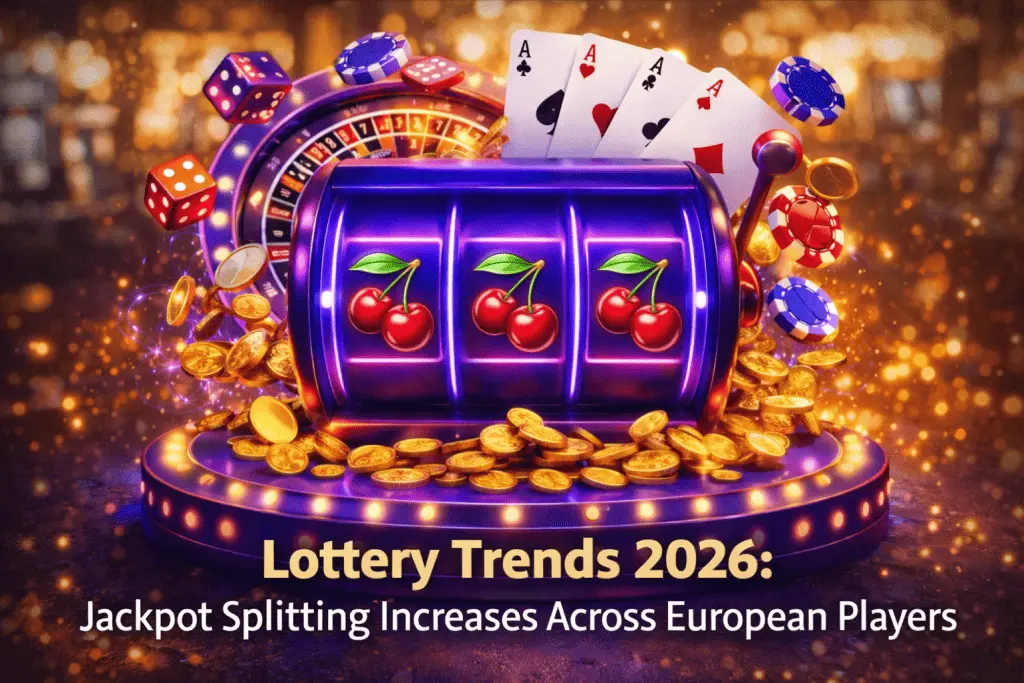
In 2026, European lotteries are clearly entering a new phase where big jackpots are no longer mostly single-winner events. Instead, more prizes are being shared between players from different countries, often within the same draw. This shift is not random; it reflects how modern lottery systems have become more connected, digital, and cross-border than ever before. Players now participate in shared pools where millions of combinations overlap, and that naturally increases the chances of multiple winners.
Another important factor is accessibility. With online platforms and mobile tools, participation is no longer limited by geography. People from different countries can join the same draws, pick similar number patterns, and end up sharing winnings. Reports in lottery news uk and broader lottery industry analysis show that this trend is accelerating, especially in large European games operated under national lottery systems. The result is a new reality where winning the jackpot often means sharing it.
This does not reduce excitement, but it does change expectations. Players are slowly adapting to the idea that even a “perfect win” might not mean receiving the full prize alone. Instead, shared outcomes are becoming part of the normal lottery experience across Europe.
Understanding Jackpot Splitting in European Lotteries
Jackpot splitting happens when more than one player matches the winning combination in the same draw, and the prize is divided equally between them. In European lottery systems, this is becoming more frequent due to the growing number of participants across multiple countries playing the same games.
How Jackpot Splitting Works in Multi-Country
In systems like national lottery euromillions results, all participating countries contribute players to one shared prize pool under the euromillions structure. This means millions of players are effectively competing in the same draw, regardless of where they live. When winning numbers are announced, every ticket that matches the combination wins a share of the jackpot. If only one ticket matches, the winner takes everything. If multiple tickets match, the prize is divided equally among all winners.
This system is designed to be fair, but it also naturally increases the likelihood of shared jackpots. As participation across Europe continues to grow, so does the probability that more than one person selects the same winning combination.
The Role of Cross-Border Ticket Sales
Cross-border participation is one of the strongest drivers of jackpot splitting. Today, players are no longer restricted to buying tickets only within their own country. Through digital platforms, many users can access international draws and purchase a lotto ticket online. A common question is can you buy lottery tickets online, and in many regulated markets the answer is yes, usually through official operators and licensed platforms.
As a result, players from different countries often participate in the same draws and choose from the same number pools. When millions of people independently select combinations, overlaps become almost inevitable. This leads directly to more frequent jackpot splitting across Europe.
Why Jackpot Splitting Is Increasing in 2026
The rise of shared jackpots is driven by a combination of technology, behavior, and scale. It is not just that more people are playing, but that they are all playing in increasingly connected environments.
Digital Platforms and Easier Cross-Border Participation
Digital lottery systems have completely changed participation patterns. With lotto online platforms, players can join draws instantly without physical boundaries. They can access different games, manage accounts, and participate in international lotteries from a single device.
Live features like lotto live make the experience even more interactive, allowing players to follow draws and results in real time. As digital access becomes the standard, the total number of participants in major European draws continues to grow. More participants naturally mean more overlapping number combinations, which leads to more shared jackpots.
Popular Number Patterns and Social Sharing
Human behavior also plays a major role in jackpot splitting. Many players tend to choose familiar or emotionally meaningful numbers such as birthdays, anniversaries, or repeating patterns. Others are influenced by social media or shared “lucky numbers” circulating online.
When large groups of players select similar lotto numbers, the probability of identical combinations increases significantly. This creates clusters of repeated entries in the system. When these combinations win, the result is not one winner but multiple players sharing the lotto jackpot today. Even though each player feels their choice is unique, statistically many combinations are far more common than people realize.
Impact on Player Strategy and Expectations
As jackpot splitting becomes more common, players are adjusting how they think about lottery participation. The idea of a single massive win is slowly being replaced by a more realistic expectation of shared rewards.
Adjusting Expectations for Shared Prizes
Understanding prize distribution is now an important part of playing. Tools like lotto prize breakdown clearly show how winnings are divided when multiple players match the same numbers. The lotto results prize breakdown often demonstrates real cases where jackpots are split between several winners, sometimes across different countries.
Lottery news coverage frequently highlights these scenarios, helping players understand that large jackpots are not always paid to a single individual. Through platforms like the national lottery website, users can explore detailed explanations of how prize structures work and what shared winnings actually mean in practice. This transparency helps players set more realistic expectations before participating.
Choosing Numbers Strategically to Reduce Split Risk
Some players try to reduce the likelihood of sharing a jackpot by avoiding commonly chosen number patterns. Instead of selecting birthdays or predictable sequences, they prefer random combinations or generator-based selections.
Search behavior like lotto numbers tonight often reflects popular patterns that many players tend to repeat. Avoiding these common patterns does not increase the chance of winning, but it may reduce the probability of sharing the jackpot if a win occurs. The idea is simple: less popular combinations may have fewer duplicate tickets in circulation.
Operator Responses and Market Adaptation
Lottery operators are fully aware of the jackpot splitting trend and are actively adapting their systems, communication, and product design.
How Lotteries Communicate Split Jackpot Scenarios
Operators now place strong emphasis on transparency. Information about when is euromillions draw and euro millions draw time is widely distributed across official channels to ensure players understand timing and structure. Before and after draws, operators clearly explain that jackpots may be shared between multiple winners.
Through the national lottery website, players can access detailed breakdowns of rules and payout structures. This helps reduce confusion and ensures that players understand from the beginning that shared outcomes are part of the system.
Promoting Syndicates and Group Play
Group participation is becoming increasingly popular as a way to manage shared winnings. In lotto uk systems, syndicates allow players to buy tickets together and split both costs and potential winnings. This naturally aligns with the concept of jackpot splitting, since shared outcomes are already expected within the group.
Reports in lotto results uk show that syndicates are growing because they make participation more affordable and social. Players accept shared outcomes in advance, which fits well with the broader trend of collective lottery participation.
Regional Variations Across Europe
Jackpot splitting is not evenly distributed across Europe. Some markets experience it more frequently due to higher participation and digital engagement levels.
Markets with Highest Splitting Frequency
Regions with large, active player bases tend to see more frequent jackpot splits. Lottery news uk reports suggest that countries with strong digital lottery adoption and high participation rates generate more shared wins. The national lottery systems in these regions contribute to large unified pools, which increase the probability of multiple winners.
Regulatory Differences Affecting Prize Distribution
Different countries apply different rules for taxation, verification, and payout processes. While the core lottery draw remains consistent, the way lotto results are paid out can vary depending on national regulations. The national lottery systems must comply with local laws, which can influence how winnings are processed but not how they are determined.
What This Means for Players
The rise of jackpot splitting changes how players evaluate value and success in lottery games. Winning is still possible, but expectations need to be more grounded in reality.
Evaluating Value in High-Split Environments
Players now need to consider that jackpots may be divided among multiple winners. By reviewing lotto results and historical data, it becomes clear that shared outcomes are increasingly common. The national lottery website provides clear breakdowns that help players understand how prizes are distributed in real scenarios.
Responsible Play and Managing Expectations
Responsible gaming is becoming more important as shared jackpots increase. Lottery should be treated as entertainment rather than a financial strategy. Lottery news often emphasizes the importance of setting limits and understanding probabilities. Players are encouraged to enjoy the experience without expecting guaranteed or fully exclusive winnings.
Future Outlook for European Lottery Jackpots
The future of European lotteries is likely to involve even more shared outcomes as participation continues to grow and digital access expands.
Will Splitting Become the Norm?
Experts suggest that jackpot splitting may become the standard outcome in major European draws. Lottery news uk indicates that increasing participation and cross-border play will naturally lead to more shared jackpots. The national lottery systems already operate in highly connected environments where multiple winners are common.
Innovation: Dynamic Prize Structures
Future lottery systems may introduce more flexible and dynamic prize structures. Tools like euromillions results checker and check my euromillions already provide instant result tracking. In the future, players may receive personalized insights about probability, sharing likelihood, and expected outcomes. Through the national lottery website, more advanced breakdown systems may emerge, making lottery participation more transparent and data-driven.
FAQ: Jackpot Splitting and European Lottery Trends
Why are lottery jackpots split more often in Europe?
Because more players from different countries participate in the same draws, increasing the chance of matching winning combinations.
How does cross-border play affect jackpot splitting?
It increases the number of participants in shared pools, which raises the likelihood of multiple winners.
Can I avoid sharing my jackpot with other players?
Not completely, but using less common number patterns may reduce the chance of splitting.
How are split prizes calculated and distributed?
The jackpot is divided equally among all winners who matched the winning numbers.
Does jackpot splitting affect my odds of winning?
No, it only affects how the prize is divided, not the probability of winning.
Are some lotteries more prone to splits than others?
Yes, larger international lotteries with more participants tend to have more shared jackpots.
Will jackpot splitting become more common in the future?
Yes, as participation and cross-border play continue to grow, shared jackpots are expected to increase.