Live poker in Europe is honestly changing in ways you might not expect. Have you noticed how more players aged 35–55 are showing up at tournaments like the European Poker Tour or the Irish Open? It’s not just a coincidence — these players are bringing a fresh vibe to the tables, reshaping the way organizers design events. And really, it’s not just about the chips or the prize money. It’s about the thrill of the game, the laughter between hands, and the social energy that only live poker can give.
Walking into a poker room today, you can feel it: the mix of young pros and seasoned players, the strategy discussions, the friendly banter. Everyone is here for a reason — whether it’s competing seriously or enjoying the live poker atmosphere. So what’s driving this shift, and how are tournaments adapting? Let’s dive in.
Demographic Shifts in European Live Poker
Middle-Aged Players on the Rise
So, why are players aged 35–55 suddenly such a big part of live poker? Honestly, it makes sense. Many in this age group have more free time, financial stability, and a genuine interest in strategic hobbies like poker. They’re not just grinding online; they want a real-life experience with human interaction, tension, and community.
Middle-aged players bring experience and patience to the poker table. They think through each poker hand, enjoy the mental challenge, and also appreciate the social side. “I like to play smart, but I also like to laugh and talk with other players during breaks,” says Maria, 42, from Berlin. “One time, I taught a guy from Italy how to calculate outs — and he’s still joking about it!”
The numbers confirm it. Across the European Poker Tour and Irish Open, middle-aged players now make up 40–50% of participants in many events. It’s a real shift in the poker world, and organizers are paying attention.
Data and Participation Stats
Stats don’t lie. At EPT Barcelona 2023, about 42% of players were aged 35–55. At WSOP Europe, the same age bracket is steadily growing year by year. Even the Irish Open reported a 30% rise in middle-aged registrations over the last five years.
Why now? Social connections, disposable income, and flexibility all play a role. These players balance work and family, but they make time for poker tournaments because it’s stimulating, social, and yes — a lot of fun.
Evolution of Live Poker Series Formats
Tournament Structures Catering to Middle-Aged Players
Organizers are noticing this trend and adapting. Tournament structures are evolving: slower blind levels, later registration options, and scheduled breaks make live poker more comfortable and enjoyable.
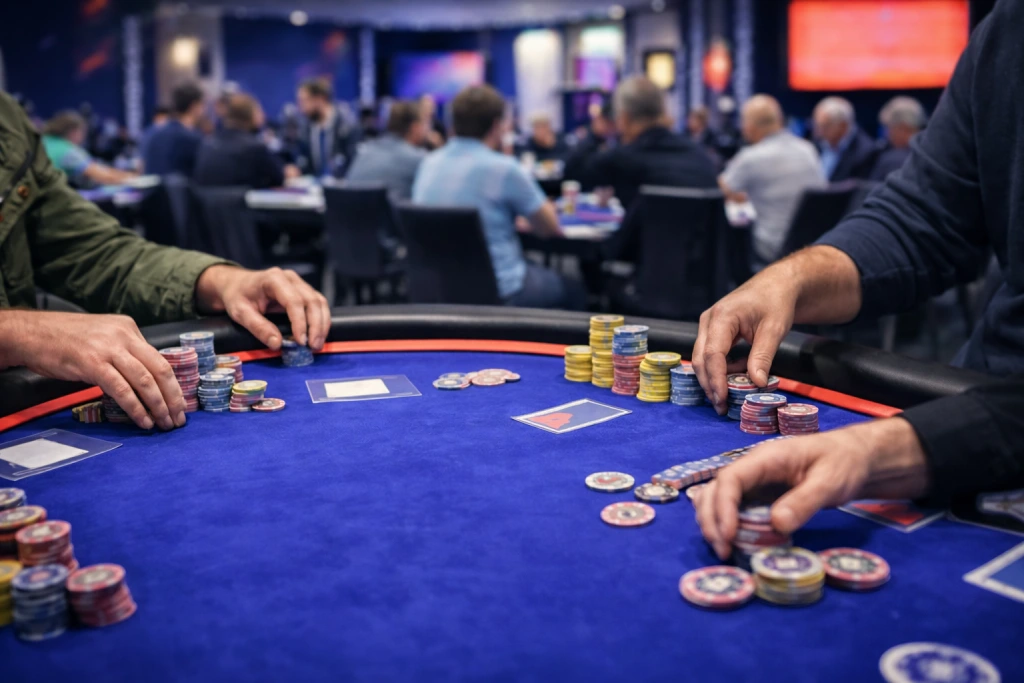
And it’s not just pace. Comfortable chairs, well-lit poker tables, visible poker chips, and thoughtful layouts help players focus on strategy rather than discomfort. Have you ever tried a multi-day poker tournament in cramped seating? Yeah… it’s not fun.
Middle-aged players often appreciate a structure that allows thoughtfulness. They want to play smart, not rushed, and organizers are listening.
Side Events and Social Elements
Side events are booming. Sit-and-go tournaments, paired games, freerolled competitions — all designed to enhance the social aspect of live poker. Players aged 35–55 enjoy these because they combine fun, competition, and interaction.
It’s not just about winning money — it’s about stories, laughs, and meeting new people. One participant shared, “I love the casual side events — sometimes you bluff a friend just for fun, and we end up laughing for hours.” That’s the magic of a friendly poker game.
Major European Live Poker Series Embracing the Trend
European Poker Tour (EPT)
The European Poker Tour has been quick to embrace middle-aged participants. Schedules now accommodate business travelers and casual players, with a mix of high and mid-stakes events. Organizers also focus on comfort — nearby hotels, restaurants, lounges — making the tournament experience seamless.
Marketing has shifted too. Emails, community forums, and subtle offline ads emphasize social connection, strategy, and fun over just big prizes. Players respond positively — they feel seen, valued, and that brings loyalty.
Irish Open & Other Regional Events
The Irish Open, Masters Classics, and Nordic Poker Championships are seeing similar trends. Friendly structures, side events, and community-driven activities attract middle-aged players. The result? Higher registrations, repeat participants, and a warm, welcoming atmosphere.
Why Middle-Aged Players Prefer Live Series
Community and Social Interaction
Community matters. Many players aged 35–55 join live poker series to meet people, network, and share experiences. Live tables are social hubs where strategy, jokes, and life stories mix. Really, isn’t that why poker is fun?
Financial and Life-Stage Factors
By this age, players often have the financial freedom to invest in travel and buy-ins. They balance poker with career and family, so tournaments become a form of leisure and self-expression. It’s not only about the poker chips — it’s about the experience, friendships, and memories.
Industry Adaptation — How Organizers Respond
Marketing and Communication Strategies
Organizers now speak directly to middle-aged players. They use emails, poker communities, and offline promotions to highlight the enjoyable, social, and strategic side of tournaments. Players respond to authenticity — not flashy, generic ads.
Amenities and On-Site Experience
Comfort is key. Hotels, dining options, relaxation zones, and family-friendly spaces make tournaments accessible and appealing. Multi-day events become more than just poker tournaments — they’re experiences that players look forward to.
Player Stories — Middle-Aged Participants Speak
Testimonials from Live Players
“I never thought I’d enjoy poker this much in my 40s,” says Maria, 42, from Berlin, leaning back and smiling. “Online poker was fine, but live poker? Wow. The tension at the poker table, the laughter during breaks, the weird little stories — I met someone from Italy and taught him how to calculate outs properly. We still laugh about it!”
Mark, 50, from Dublin, adds: “The social side keeps me coming back. Between hands, you talk about life, work, poker fails… like that time I folded a top pair and someone bluffed me with nothing! It’s hilarious, and it’s why I love live poker news — every event has a story. And honestly, sometimes winning a small pot with everyone laughing? Priceless.”
Sophia, 38, from Prague, chimes in: “I never expected poker to be so social. You meet people from all over Europe, some of them become travel buddies. The mid-stakes tables are perfect — enough tension for the heart to race, but not so crazy you’re exhausted. Live poker feels like a weekend getaway where you get to play, laugh, and eat great food.”
What They Look for in a Tournament
Players seek:
- Manageable field sizes
- Balanced competition
- Friendly atmosphere
- Side events for socializing
- Memorable stories
It’s strategy, fun, and community rolled into one.
Challenges and Considerations
Accessibility and Travel Costs
Travel and costs can be a barrier. Flights, hotels, and entry fees affect participation, especially for those outside Europe’s main cities. Organizers are balancing pricing and accessibility to maintain growth.
Balancing Competitive and Recreational Play
Series must cater to both pros and casual players. Too competitive, and casual participants hesitate; too relaxed, and serious players lose interest. Striking the right balance is key for long-term success.
The Future of Live Poker with Middle-Aged Engagement
Predictions for European Live Poker Growth
Latest poker world news suggests middle-aged players are here to stay. By 2030, analysts predict that 35+ participants could make up over half of all European live tournament fields. This means big changes for organizers: marketing, event design, and community engagement will evolve alongside them.
Opportunities for New Formats and Events
Organizers are experimenting with hybrid formats, family-friendly events, and mini-series for mid-aged participants. These innovations combine competitive poker game play with social connection and comfort, appealing directly to the 35–55 demographic.
FAQ: Live Poker and Middle-Aged Players
Why are more middle-aged players joining live poker series?
They enjoy strategy, social interaction, and the excitement of a real poker game. Plus, the stories, the laughs, and the community are huge draws.
How do live events cater to slightly older demographics?
Through slower structures, scheduled breaks, comfortable seating, and engaging social side events. The focus is on enjoyment, not just winning poker chips.
Are there special tournaments for recreational players?
Yes! Sit-and-go, paired, and freerolled tournaments are designed for casual participants who want fun and friendly competition.
What makes European live poker events appealing?
It’s the combination of strategy, social interaction, comfort, and a sense of community that online platforms can’t match.
How does the experience differ from online play?
Live poker is immersive. Reading opponents, sharing laughs, reacting to unexpected plays — it’s the energy of the room that makes every hand memorable.
So what’s the big takeaway? Live poker in Europe isn’t just surviving — it’s thriving, and middle-aged players are a huge part of that. Players aged 35–55 bring strategy, stories, humor, and energy that organizers love. They inspire tournaments to be smarter, friendlier, and more fun.
If you’ve never experienced a live European poker series, maybe it’s time to try. You might leave with a few extra poker chips, yes, but more importantly — new friends, hilarious stories, and memories that last a lifetime. Live poker is evolving, and honestly… it’s never been a real fun.